Best Seasons for Foundation Repairs
Foundation repairs are most effectively performed during specific times of the year when environmental conditions support optimal curing and stability. The ideal window typically falls during moderate weather conditions, avoiding extreme cold or heat. Spring and early fall often provide the best conditions, as temperatures are stable and moisture levels are conducive to proper repair processes.
Spring offers moderate temperatures and increased moisture, making it suitable for foundation work. Repairs during this season benefit from soil conditions that facilitate proper settling.
Early fall provides cooler temperatures and less humidity, reducing the risk of thermal expansion or contraction issues during repairs.
Performing foundation repairs during winter or peak summer can pose challenges due to freezing temperatures or excessive heat, which can affect materials and curing times.
Soil moisture levels are critical; repairs are best scheduled when soil is neither too dry nor too saturated to ensure stability.
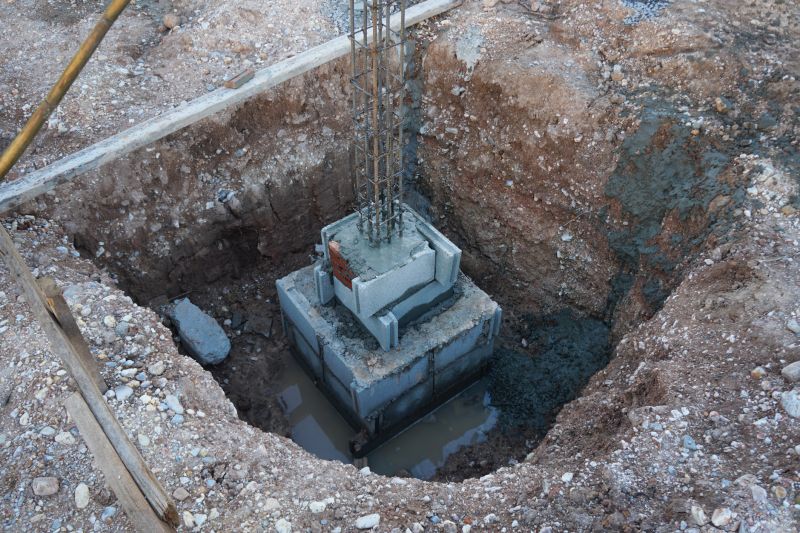
Springtime offers ideal soil moisture for foundation stabilization.
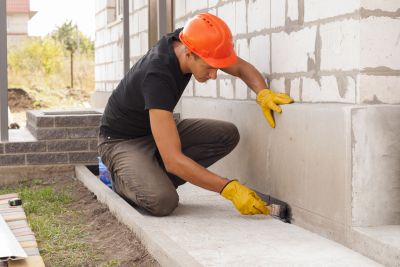
Cooler temperatures aid in effective foundation repair work.
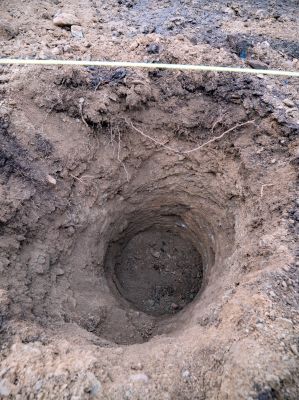
Visualize how soil expands and contracts with seasons to plan repairs accordingly.
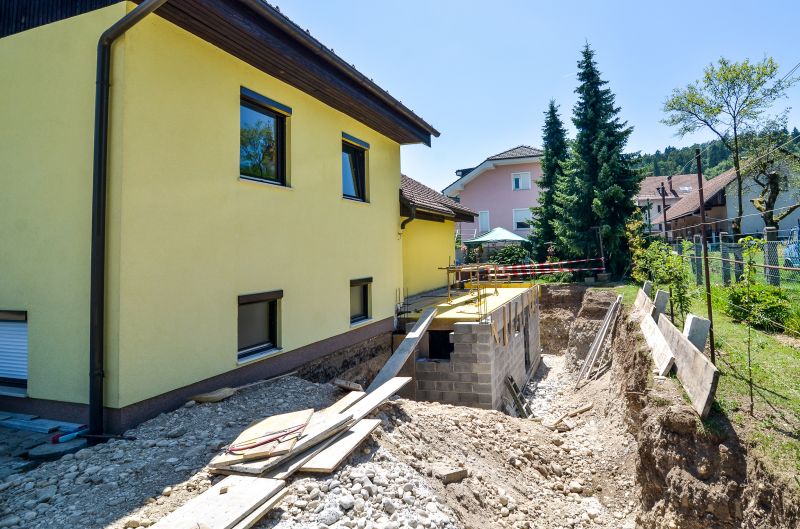
Ways to make Foundation Repairs work in tight or awkward layouts.
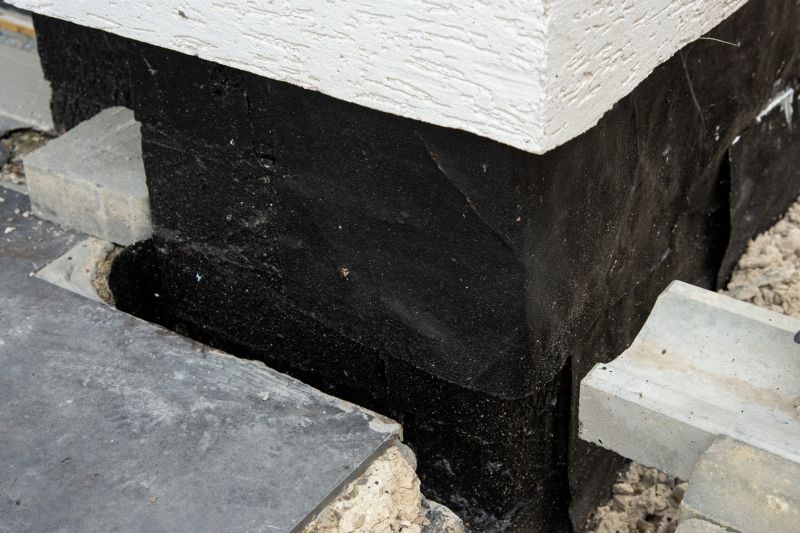
Popular materials for Foundation Repairs and why they hold up over time.
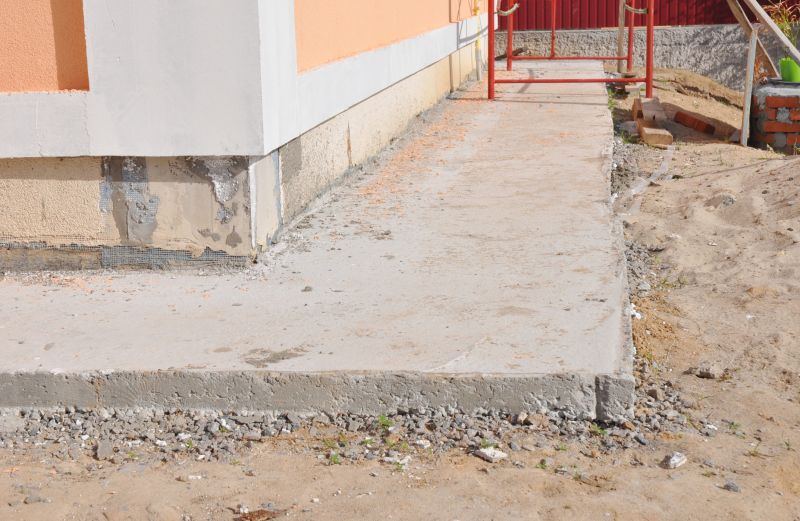
Simple add-ons that improve Foundation Repairs without blowing the budget.
| Season | Ideal Conditions |
|---|---|
| Spring | Moderate temperatures, increased soil moisture, good for curing |
| Summer | High temperatures and dry conditions, less ideal |
| Fall | Cooler weather, stable soil moisture, optimal for repairs |
| Winter | Freezing temperatures, potential delays and complications |
Foundation repairs involve addressing issues such as settling, cracking, and shifting that compromise structural integrity. Proper timing ensures that repairs are durable and effective. Factors like soil type, weather conditions, and seasonal soil movement play crucial roles in determining the best time to perform repairs. Timely intervention can prevent further damage and reduce long-term costs.
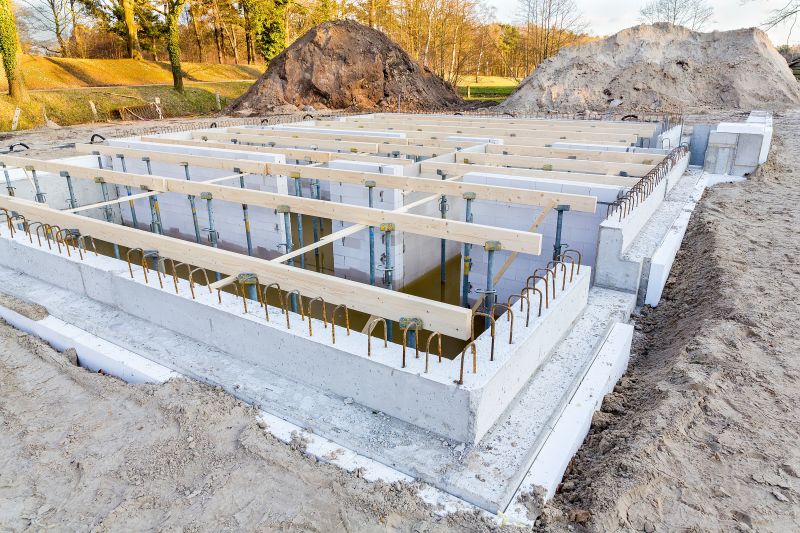
A typical repair involves soil stabilization, pier installation, or underpinning.

Cracks are a common sign indicating the need for repair.

Proper soil stabilization supports long-term foundation stability.
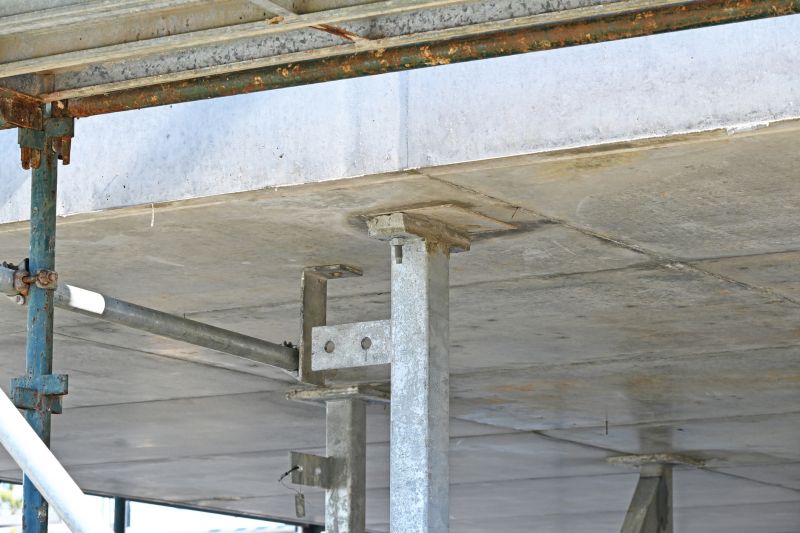
Piering helps lift and stabilize settling foundations.
Scheduling foundation repairs during the optimal seasons enhances the effectiveness of stabilization methods and minimizes the risk of complications caused by weather extremes. Consulting with foundation specialists can help determine the best timing based on local conditions and specific structural needs.
Additional Foundation Repair Resources

Various techniques are used depending on the damage severity and soil conditions.
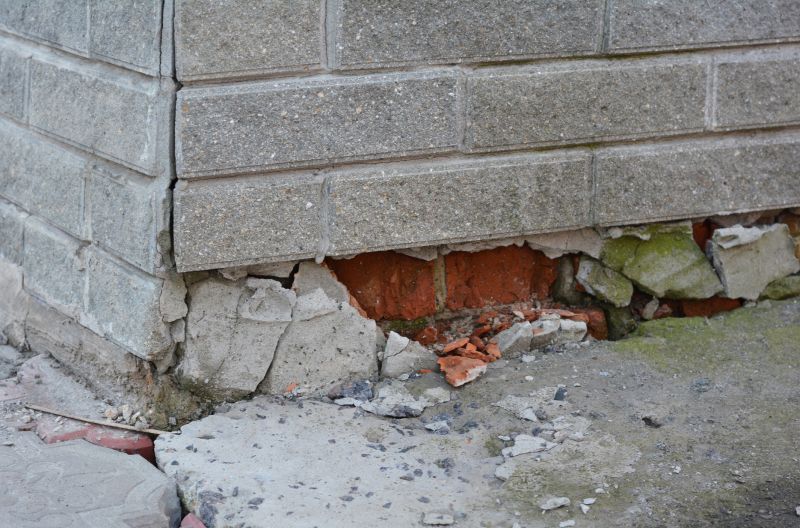
Cracks, uneven floors, and sticking doors are common indicators.
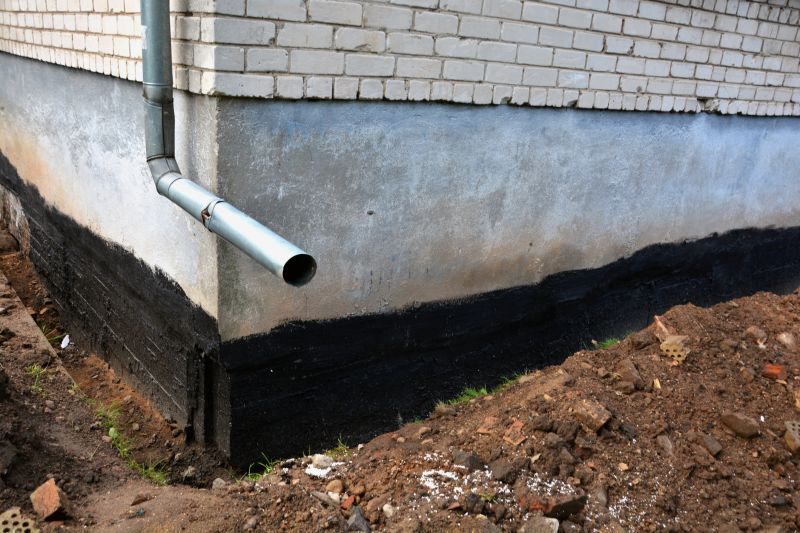
Proper drainage and soil management help prevent future issues.

Regular inspections can identify problems early.
Interested in foundation repairs? Filling out the contact form provides an opportunity to discuss specific needs and schedule an assessment. Proper timing and expert consultation can ensure long-lasting stability for properties in Lancaster, Ohio.